地圖 - 熱線
15392885678
地圖 - 熱線
- 服務熱線 - 15392885678 15069779222
01汽保行業危廢暫存庫相關標準規范
What are the relevant standards and specifications for hazardous waste temporary storage warehouses in the automotive maintenance industry
(1)危險廢物貯存間的建設標準執行----《危險廢物貯存污染控制標準》(GB18597-2023)。(2)危廢收集、貯存涉及的規范----《危險廢物收集貯存運輸技術規范》(HJ2025-2012)。(3)涉及危險廢物的環評內容評價指南----《建設項目危險廢物環境影響評價指南》02建設要求(1)貯存庫是用于貯存一種或多種類別、形態危險廢物的倉庫式貯存設施。貯存庫污染控制要求:①貯存庫內不同貯存分區之間應采取隔離措施,隔離措施可根據危險廢物特性采用過道、隔板或隔墻等方式;②在貯存庫內或通過貯存分區方式貯存液態危險廢物的,應具有液體泄漏堵截設施,堵截設施最小容積不應低于對應貯存區域最大液態廢物容器容積或液態廢物總儲量1/10(二者取較大者);用于貯存可能產生滲濾液的危險廢物的貯存庫或貯存分區應設計滲濾液收集設施,收集設施容積應滿足滲濾液的收集要求;③貯存易產生粉塵、揮發性有機物(VOCs)、酸霧、有毒有害大氣污染物和刺激性氣味氣體的危險廢物貯存庫,應設置氣體收集裝置和氣體凈化設施,排氣筒高度應符合《大氣污染物綜合排放標準》(GB16297-1996)要求。(2)貯存場是用于貯存不易產生粉塵、揮發性有機物(VOCs)、酸霧、有毒有害大氣污染物和刺激性氣味氣體的大宗危險廢物的,具有頂棚(蓋)的半開放式貯存設施。貯存場污染控制要求:①貯存場應設置徑流疏導系統,保證能防止當地重現期不小于25年的暴雨流入貯存區域,并采取措施防止雨水沖淋危險廢物,避免增加滲濾液量;②貯存場可整體或分區設計液體導流和收集設施,收集設施容積應保證在最不利條件下可以容納對應貯存區域產生的滲濾液、廢水等液態物質;③貯存場應采取防止危險廢物揚散、流失的措施;④貯存的危險廢物直接接觸地面的,還應進行基礎防滲,防滲層為至少1m厚黏土層(滲透系數不大于10-7cm/s),或至少2mm厚高密度聚乙烯膜等人工防滲材料(滲透系數不大于10-10cm/s),或其他防滲性能等效的材料。(3)貯存池是用于貯存單一類別液態或半固態危險廢物的,位于室內或具有頂棚(蓋)的池體貯存設施。貯存池污染控制要求:①貯存池防滲層應覆蓋整個池體并對池體進行基礎防滲;②貯存池應采取措施防止雨水、地面徑流等進入,保證能防止當地重現期不小于25年的暴雨流入貯存池內;③貯存池應采取措施減少大氣污染物的無組織排放。(4)貯存罐區是用于貯存液態危險廢物的,由一個或多個罐體及其相關的輔助設備和防護系統構成的固定式貯存設施。貯存罐區污染控制要求:①貯存罐區罐體應設置在圍堰內,圍堰應保證能滿足防滲、防腐性能要求;②貯存罐區圍堰容積應至少滿足其內部最大貯存罐發生意外泄漏時所需要的危險廢物收集容積要求;③貯存罐區圍堰內收集的廢液、廢水和初期雨水應及時處理,不應直接排放。(5)貯存點是《危險廢物管理計劃和管理臺賬制定技術導則》(HJ1259-2022)規定的納入危險廢物登記管理單位的,用于同一生產經營場所專門貯存危險廢物的場所;或產生危險廢物的單位設置于生產線附近,用于暫時貯存以便于中轉其產生的危險廢物的場所。貯存點環境管理要求:①貯存點應具有固定的區域邊界,并應采取與其他區域進行隔離的措施;②貯存點應采取防風、防雨、防曬和防止危險廢物流失、揚散等措施;③貯存點貯存的危險廢物應置于容器或包裝物中,不應直接散堆;④貯存點應根據危險廢物的形態、物理化學性質、包裝形式等,采取防滲、防漏等污染防治措施或采用具有相應功能的裝置;⑤貯存點應及時清運貯存的危險廢物,實時貯存量不應超過3噸。03貯存設施管理(1)貯存場所地面須硬化處理,用以存放裝載液體、半固體危險廢物容器的地方,必須有耐腐蝕的硬化地面,并涂至少2mm密度高的環氧樹脂,且表面無裂隙。(2)存放固態半固態物料可設置收料托盤,用于收集泄漏物料。(3)倉庫內應設置防泄漏收集導流溝渠,導流溝連接至收集池內。(4)倉庫內應設置防泄漏收集池,收集池容積不低于最大容器的最大量或儲量的五分之一。(5)危險廢物倉庫內及出入口處需設置監控系統。(6)危險廢物倉庫內應設置安全照明,燈具,線路設施,設置需滿足防爆要求。(7)按照規范要求張貼或懸掛危廢二維碼標簽。
(1) The construction standards for hazardous waste storage rooms shall comply with the "Pollution Control Standards for Hazardous Waste Storage" (GB18597-2023). (2) The regulations involved in the collection, storage, and transportation of hazardous waste - Technical Specifications for the Collection, Storage, and Transportation of Hazardous Waste (HJ2025-2012). (3) Guidelines for Environmental Impact Assessment of Hazardous Waste Involving Hazardous Waste - "Guidelines for Environmental Impact Assessment of Hazardous Waste in Construction Projects" 02 Construction Requirements (1) Storage facilities are warehouse style storage facilities used to store one or more types and forms of hazardous waste. Requirements for pollution control in storage facilities: ① Isolation measures should be taken between different storage zones in the storage facility. Isolation measures can be implemented through corridors, partitions, or walls based on the characteristics of hazardous waste; ② If liquid hazardous waste is stored in a storage warehouse or through storage zoning, liquid leakage blocking facilities should be installed. The minimum volume of the blocking facilities should not be less than the maximum liquid waste container volume or 1/10 of the total liquid waste storage capacity in the corresponding storage area (whichever is larger); Storage facilities or zones for hazardous waste that may generate leachate should be designed with leachate collection facilities, and the volume of the collection facilities should meet the requirements for leachate collection; ③ Dangerous waste storage facilities that are prone to generating dust, volatile organic compounds (VOCs), acid mist, toxic and harmful air pollutants, and irritating odor gases should be equipped with gas collection devices and gas purification facilities. The height of the exhaust pipe should comply with the requirements of the Comprehensive Emission Standards for Air Pollutants (GB16297-1996). (2) Storage yard is a semi open storage facility with a roof (cover) used to store bulk hazardous waste that is not prone to generating dust, volatile organic compounds (VOCs), acid mist, toxic and harmful air pollutants, and irritating odor gases. Requirements for pollution control of the storage site: ① The storage site shall be equipped with a runoff diversion system to ensure that the local rainstorm with a return period of not less than 25 years can be prevented from flowing into the storage area, and measures shall be taken to prevent rainwater from washing hazardous waste and increasing the amount of leachate; ② The storage area can be designed with liquid diversion and collection facilities as a whole or in zones, and the volume of the collection facilities should ensure that they can accommodate liquid substances such as leachate and wastewater generated in the corresponding storage area under the most unfavorable conditions; ③ The storage site should take measures to prevent the dispersion and loss of hazardous waste; ④ For hazardous waste stored in direct contact with the ground, basic anti-seepage measures should also be taken. The anti-seepage layer should be at least 1m thick clay layer (permeability coefficient not greater than 10-7cm/s), or at least 2mm thick artificial anti-seepage materials such as high-density polyethylene film (permeability coefficient not greater than 10-10cm/s), or other materials with equivalent anti-seepage performance. (3) A storage tank is a tank storage facility located indoors or with a roof (cover) for storing a single category of liquid or semi-solid hazardous waste. Requirements for pollution control of storage tanks: ① The anti-seepage layer of the storage tank should cover the entire tank body and provide basic anti-seepage for the tank body; ② Measures shall be taken to prevent rainwater, surface runoff, etc. from entering the storage pool, so as to ensure that the local rainstorm with a return period of not less than 25 years can be prevented from flowing into the storage pool; ③ Measures should be taken to reduce unorganized emissions of atmospheric pollutants from storage tanks. (4) Storage tank area is a fixed storage facility for storing liquid hazardous waste, consisting of one or more tanks and their related auxiliary equipment and protective systems. Pollution control requirements for storage tank area: ① The tank bodies in the storage tank area should be placed inside a cofferdam, and the cofferdam should ensure that it can meet the requirements of anti-seepage and anti-corrosion performance; ② The cofferdam volume of the storage tank area should at least meet the hazardous waste collection volume requirements in case of accidental leakage of the largest storage tank inside; ③ The waste liquid, wastewater, and initial rainwater collected in the storage tank area cofferdam should be treated in a timely manner and should not be directly discharged. (5) Storage points are designated as hazardous waste registration and management units in accordance with the Technical Guidelines for the Development of Hazardous Waste Management Plans and Management Ledger (HJ1259-2022), and are used for the specialized storage of hazardous waste in the same production and operation site; Units that generate hazardous waste are located near the production line for temporary storage and transfer of the hazardous waste they produce. Requirements for environmental management of storage points: ① Storage points should have fixed area boundaries and measures should be taken to isolate them from other areas; ② Storage points should take measures to prevent wind, rain, sun, and hazardous waste from being lost or scattered; ③ Hazardous waste stored in storage points should be placed in containers or packaging materials and should not be directly scattered; ④ Storage points should adopt pollution prevention and control measures such as anti-seepage and leak prevention or use devices with corresponding functions according to the form, physical and chemical properties, packaging form, etc. of hazardous waste; ⑤ The storage point should promptly clear and transport the stored hazardous waste, and the real-time storage capacity should not exceed 3 tons. 03 Storage Facility Management (1) The ground of the storage site must be hardened. The place used to store containers of liquid and semi-solid hazardous waste must have a corrosion-resistant hardened ground and be coated with at least 2mm High density epoxy resin with no cracks on the surface. (2) Storage of solid and semi-solid materials can be equipped with a receiving tray for collecting leaked materials. (3) Anti leakage collection and diversion channels should be set up in the warehouse, and the diversion channels should be connected to the collection pool. (4) An anti leakage collection pool should be installed in the warehouse, with a capacity not less than one-fifth of the maximum capacity or storage capacity of the largest container. (5) A monitoring system should be installed inside the hazardous waste warehouse and at the entrances and exits. (6) Safety lighting, lamps, and wiring facilities should be installed in the hazardous waste warehouse to meet explosion-proof requirements. (7) Post or hang hazardous waste QR code labels in accordance with regulatory requirements.
(8)倉庫內配備與環境事故風險相對應的應急物資。
(8) The warehouse is equipped with emergency supplies that correspond to the risk of environmental accidents.
(9)不同規格的空包裝桶、容器放在卡板上,應堆疊整齊,用拉伸纏繞膜圍緊實,貼上危廢二維碼標簽。(10)建立危險廢物貯存臺賬,并如實和規范記錄危險廢物貯存情況。04環保檢查要點(1)危廢貯存庫手續
(9) Empty packaging drums and containers of different specifications should be stacked neatly on pallets, tightly wrapped with stretch wrap, and labeled with hazardous waste QR codes. (10) Establish a hazardous waste storage ledger and truthfully and standardly record the storage of hazardous waste. 04 Environmental Inspection Points (1) Hazardous Waste Storage Warehouse Procedures
根據生態環境部發布的《“十四五”全國危險廢物規范化環境管理評估工作方案》,要求貯存設施依法進行環境影響評價,完成“三同時”驗收。
According to the "14th Five Year Plan for National Standardized Environmental Management Assessment of Hazardous Waste" issued by the Ministry of Ecology and Environment, storage facilities are required to conduct environmental impact assessments in accordance with the law and complete the "three simultaneous" acceptance.
因此,手續方面檢查主要為環境影響評價文件對全部危險廢物貯存設施進行了評價,且完成了“三同時”驗收或在驗收期限內。
Therefore, the inspection in terms of procedures mainly involves evaluating all hazardous waste storage facilities in the environmental impact assessment documents, and completing the "three simultaneous" acceptance or within the acceptance period.
這里說的環評手續指的是企業的環評文件對貯存設置進行了評價,并非一定要單獨開展環評工作。
The environmental impact assessment procedures referred to here refer to the evaluation of storage settings in the enterprise's environmental impact assessment documents, and do not necessarily require separate environmental impact assessment work.
(2)危廢庫建設情況
(2) Construction status of hazardous waste storage facility
①是否采取防風、防曬、防雨、防漏、防滲、防腐等措施
① Have measures been taken to prevent wind, sun, rain, leakage, seepage, and corrosion
②危廢庫大小是否滿足貯存需求
② Does the size of the hazardous waste warehouse meet the storage requirements
③是否建設貯存分區(只貯存一種危險廢物的除外)
③ Whether to establish storage zones (excluding those that only store one type of hazardous waste)
④貯存庫內地面、墻面裙腳、堵截泄漏的圍堰、接觸危險廢物的隔板和墻體表面是否有裂縫
④ Whether there are cracks on the ground, wall skirts, cofferdams that block leaks, partitions that come into contact with hazardous waste, and wall surfaces inside the storage facility
⑤貯存設施地面與裙腳應采取表面防滲措施
⑤ Surface anti-seepage measures should be taken for the ground and skirt feet of storage facilities
⑥防滲、防腐材料是否覆蓋所有可能與廢物及其滲濾液、滲漏液等接觸的構筑物表面⑦是否采取技術措施防止無關人員進入(比如門是否上鎖)
⑥ Whether anti-seepage and anti-corrosion materials cover all surfaces of structures that may come into contact with waste, leachate, and other liquids. ⑦ Whether technical measures have been taken to prevent unrelated personnel from entering (such as whether doors are locked)
⑧貯存庫不同分區是否采取隔離措施,如隔板、隔墻、過道等
⑧ Are isolation measures taken for different zones of the storage warehouse, such as partitions, walls, corridors, etc
⑨貯存業態廢物的,是否設置液體泄漏液堵截設施(如圍堰、防漏托盤等)
⑨ Is there a liquid leakage interception facility (such as cofferdams, leak proof trays, etc.) installed for storing waste in the industry
⑩貯存可能產生滲濾液的,是否設施滲濾液收集設施
⑩ Is there a facility for collecting leachate that may be generated during storage
貯存易產生粉塵、VOCs、酸霧、有毒有害大氣污染物和刺激性氣味氣體的危險廢物貯存庫,是否設置氣體收集裝置和氣體凈化設施
Storage can easily generate dust VOCs、 Is the hazardous waste storage facility for acid mist, toxic and harmful air pollutants, and irritating odor gases equipped with gas collection devices and gas purification facilities
是否設置應急裝備、物資和應急照明系統。
Have emergency equipment, supplies, and emergency lighting systems been installed.
(3)危廢庫管理
(3) Hazardous waste warehouse management
①不同種類危險廢物是否進行分類貯存
① Are different types of hazardous waste classified and stored
②危險廢物是否存在與不相容的物質或材料接觸的情形
② Is there any situation where hazardous waste comes into contact with incompatible substances or materials
③貯存庫門口是否設置貯存標簽;貯存分區是否分別設置分區標簽;危廢包裝物是否設置標簽
③ Is there a storage label installed at the entrance of the storage warehouse; Is the storage partition labeled separately; Are hazardous waste packaging materials labeled
④貯存常溫常壓下易爆、易燃及排出有毒氣體的危險廢物是否進行了預處理
④ Has pre-treatment been carried out for storing hazardous waste that is explosive, flammable, and emits toxic gases at room temperature and pressure
⑤貯存廢棄危險化學品的,是否滿足危險化學品貯存有關要求
⑤ Does the storage of waste hazardous chemicals meet the relevant requirements for hazardous chemical storage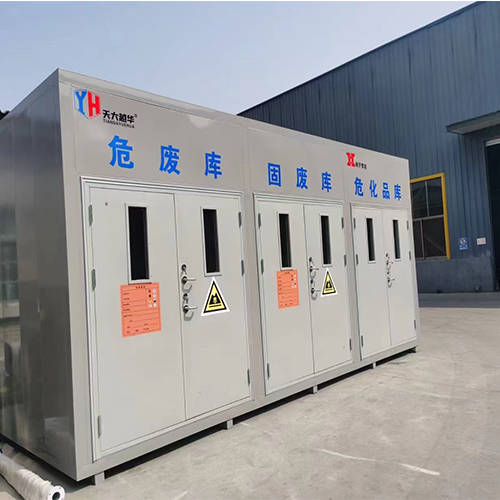
⑥貯存危險廢物是否按規定設置容器或包裝物(常溫常壓下不易水解、不易揮發的固態危險廢物除外)
⑥ Is the storage of hazardous waste in containers or packaging materials in accordance with regulations (excluding solid hazardous waste that is not easily hydrolyzed or volatile at room temperature and pressure)
⑦貯存液態、半固態危廢的容器,容器內部是否留有空間
⑦ Is there space inside the container for storing liquid and semi-solid hazardous waste
⑧容器和包裝物外表是否清潔
⑧ Is the exterior of the container and packaging clean
⑨貯存易產生粉塵、VOCs、酸霧、有毒有害大氣污染物和刺激性氣味氣體的危險廢物是否裝入閉口容器或包裝物內。
⑨ Storage can easily generate dust VOCs、 Is the hazardous waste of acid mist, toxic and harmful air pollutants, and irritating odor gases contained in closed containers or packaging materials.
⑩危險廢物貯存容器或包裝物是否有破損
⑩ Is there any damage to the hazardous waste storage container or packaging
是否建立貯存設施環境管理制度、管理人員崗位職責制度、設施運行操作制度、人員崗位培訓制度
Has a storage facility environmental management system, management personnel job responsibility system, facility operation system, and personnel job training system been established
是否建立危廢臺賬
Has a hazardous waste ledger been established
納入土壤和地下水重點管理單位的企業,是否針對貯存庫建立土壤和地下水污染隱患排査制度
Has the enterprise included in the key management units for soil and groundwater established a soil and groundwater pollution hazard investigation system for storage facilities
貯存設施建設有關檔案是否完整
Are the archives related to the construction of storage facilities complete
貯存設施污染排放是否滿足相關排放標準
Does the pollution emission from storage facilities meet the relevant emission standards
貯存設施是否按照規定開展自行監測
Has the storage facility conducted self-monitoring in accordance with regulations
(4)危廢重點監管單位的特別事項
(4) Special Matters for Key Hazardous Waste Supervision Units
①是否采用采用電子地磅、電子標簽、電子管理臺賬信息化管理技術
① Whether to adopt electronic weighing scales, electronic tags, and electronic management ledger information management technology
②采用視頻監控的,監控畫面是否清晰,視頻記錄保存時間是否已滿足3個月以上要求。
② For those using video surveillance, whether the monitoring image is clear and whether the video recording has been saved for more than 3 months.
地址

服務熱線

郵箱


截屏,微信識別二維碼